User Experience (UX) has become one of the most in-demand fields in the digital product industry. As businesses increasingly compete on the quality of their digital experiences, UX professionals play a critical role in shaping products that are usable, accessible, and meaningful for users.
If you are exploring a career in UX design or planning to transition into the field, understanding the different job roles, responsibilities, and required skills is essential.
What is a career in User Experience?
A career in user experience focuses on improving how people interact with digital products such as websites, mobile apps, and software platforms. UX professionals work at the intersection of user needs, business goals, and technical feasibility.
Unlike traditional design roles that focus primarily on aesthetics, UX roles emphasise research, problem-solving, usability, and continuous improvement. UX professionals collaborate closely with product managers, developers, marketers, and stakeholders throughout the product lifecycle.
Core UX roles you should know
The UX field includes multiple specialised roles. While responsibilities may overlap depending on company size, each role contributes to the overall user experience in a distinct way.
UX Designer
Focuses on designing intuitive and user-centred experiences for digital products.
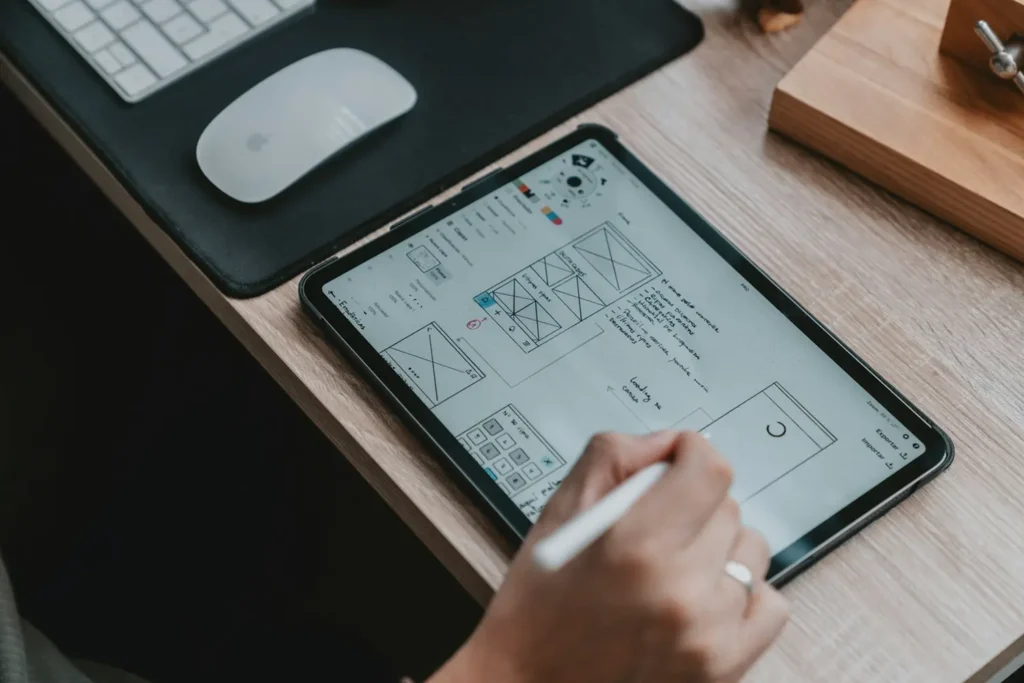
UX Designers translate research insights into wireframes, user flows, prototypes, and interaction patterns that guide how users navigate a product.
UI Designer
Concentrates on the visual and interactive elements of a product interface.
UI Designers define typography, colour systems, spacing, and visual consistency to ensure the interface is aesthetically pleasing and usable.
UX Researcher
Specialises in understanding user behaviour, needs, and motivations through research. UX Researchers conduct interviews, usability testing, surveys, and data analysis to inform design decisions and validate solutions.
Product Designer
Combines UX, UI, and strategic thinking into a single role.
Product Designers often own the end-to-end design process, from discovery and ideation to final design handoff and iteration.
Interaction Designer
Focuses on how users interact with interfaces and systems.
Interaction Designers define transitions, animations, micro-interactions, and feedback mechanisms that improve usability and engagement.
Information Architect
Organises content and navigation structures for clarity and findability.
Information Architects ensure users can easily locate information through logical hierarchies, menus, and labelling systems.
Entry-level roles in UX
For beginners, breaking into UX often starts with junior or associate roles that allow you to build practical experience under guidance.
Junior UX Designer
Supports senior designers in creating wireframes, prototypes, and design documentation.
This role is ideal for those building foundational UX skills and learning how design teams operate.
UX Intern
Gains hands-on exposure to real projects under mentorship.
Internships help bridge the gap between learning UX concepts and applying them in professional environments.
UX Research Assistant
Assists with research activities such as recruiting participants, note-taking, and synthesising findings.
This role suits individuals interested in research-driven UX careers.
Advanced and leadership UX roles
As you gain experience, UX careers can progress into strategic and leadership positions.
Senior UX Designer
Leads complex projects and mentors junior designers.
Senior designers influence product strategy, advocate for users, and collaborate closely with stakeholders.
UX Lead
Oversees design direction across multiple projects or teams.
UX Leads balance hands-on design with team coordination and design quality assurance.
UX Manager
Manages UX teams, processes, and performance.
UX Managers focus on people leadership, delivery timelines, and aligning UX work with business goals.
Head of UX or Design Director
Defines the long-term UX vision and design strategy for an organisation.
These roles involve executive-level collaboration and decision-making.
Skills required for UX careers
Regardless of role or seniority, UX professionals share a core set of skills that enable effective design work.
Research and analysis skills
Ability to gather, interpret, and synthesise user data.
This includes qualitative research, usability testing, and analytics-driven insights.
Design and prototyping skills
Proficiency in creating wireframes, prototypes, and design systems.
Tools such as Figma and other collaborative platforms are commonly used.
Communication and collaboration
Clear articulation of design decisions to stakeholders and team members.
UX work requires frequent cross-functional collaboration and feedback.
Problem-solving mindset
Ability to identify user pain points and propose practical solutions.
UX designers must balance creativity with constraints and real-world limitations.
UX careers across industries
UX professionals are not limited to tech companies. Their skills are applicable across many industries.
- SaaS and technology: where UX directly impacts adoption and retention.
- Healthcare: improving usability and accessibility of digital health products.
- E-commerce: optimising user journeys and conversion rates.
- Finance: enhancing trust, clarity, and usability in complex systems.
- Education: designing inclusive and engaging learning platforms.
This flexibility makes UX a resilient and future-proof career choice.
How to start a career in UX
Breaking into UX does not require a single fixed path, but successful entry often includes a combination of learning, practice, and visibility.
Learn UX fundamentals
Study user-centred design principles, design processes, and accessibility standards.
Structured courses and self-guided learning both play a role here.
Build a strong portfolio
Showcase real or conceptual projects that demonstrate your thinking process.
Portfolios should focus on problem-solving, not just final visuals.
Gain practical experience
Work on personal projects, volunteer work, or freelance assignments.
Hands-on experience is critical for building confidence and credibility.
Network within the UX community
Engage with designers through events, online communities, and professional platforms.
Networking often opens doors to mentorship and job opportunities.
The future of UX careers
As technology evolves, UX roles continue to expand into areas such as artificial intelligence, voice interfaces, and ethical design. Organisations increasingly recognise UX as a strategic function rather than a purely visual discipline.
For designers who continuously learn and adapt, UX offers long-term growth, creative fulfilment, and meaningful impact on how people interact with digital products.
Final thoughts
Jobs in the field of user experience offer diverse career paths, strong demand, and the opportunity to shape products that genuinely improve people’s lives. Whether you are just starting out or planning your next career move, understanding UX roles and skills is the first step towards building a successful UX career.
If you are serious about working in UX, focus on developing strong fundamentals, building real-world experience, and continuously refining your design thinking.